EFF Management & Distribution: Connecting Flight Planning to the EFB
Updated 10th February 2026
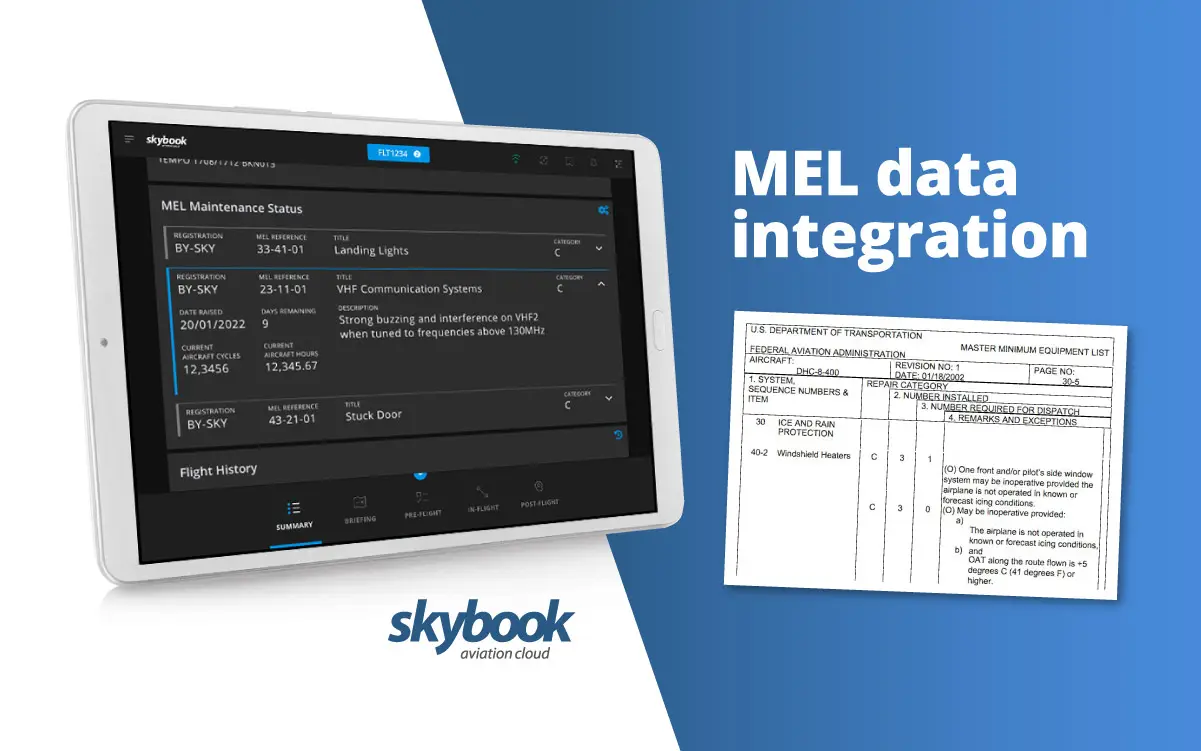
The aircraft Minimum Equipment List (MEL) data can be easily integrated into the skybook Electronic Flight Bag application, saving time for pilots and engineers, reducing manual errors and streamlining pre-flight decision making.
Below explains how MEL integrates into the skybook EFB, but first…
A Minimum Equipment List (MEL) is a document used in aviation that specifies the equipment and systems that must be functional for an aircraft to be considered airworthy.
It lists the items that can be inoperative under certain conditions while still allowing the aircraft to operate safely. The MEL is tailored to each aircraft type, approved by the relevant aviation authority, and ensures safe flight operations even when some equipment is not working.
The MEL is used by both pilots and engineers to evaluate aircraft faults and determine whether they can be deferred or require immediate maintenance.
For example, a pilot can instantly see if a navigation instrument is deferred for a flight and plan accordingly, rather than manually checking paper manuals or separate systems.
Here is a traditional sample MEL below: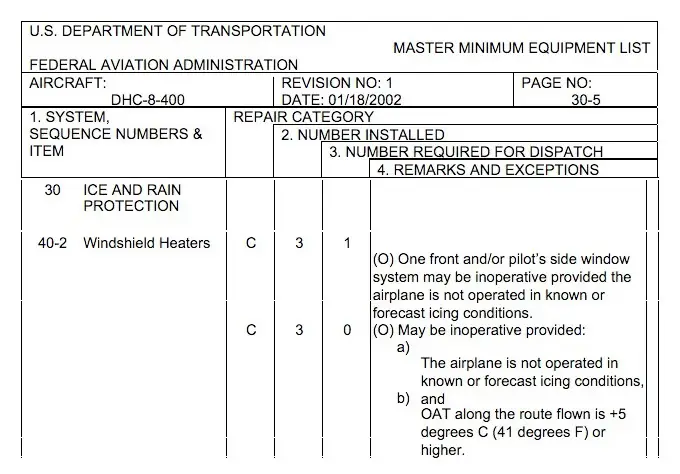
Image source: thinkaviation.net
The MEL information is digitally displayed within the pilot briefing summary section on the skybook EFB app, making it instantly accessible during pre-flight preparations.
This is achieved by operators sending their MEL items from their MRO software such as AMOS, usually in an XML file format, which is then directly integrated into the skybook API. The API converts, validates and syncs the data automatically.
Any updates, additions, or deletions from the AMOS system are automatically reflected in skybook, keeping pilots and dispatch teams fully aligned in real time.
skybook also includes other AMOS / MRO data for the Configuration Deviation List (CDL) and Non-Essential Furnishings (NEF), providing a complete operational overview.
Here is an example of how MEL can look within the EFB application:
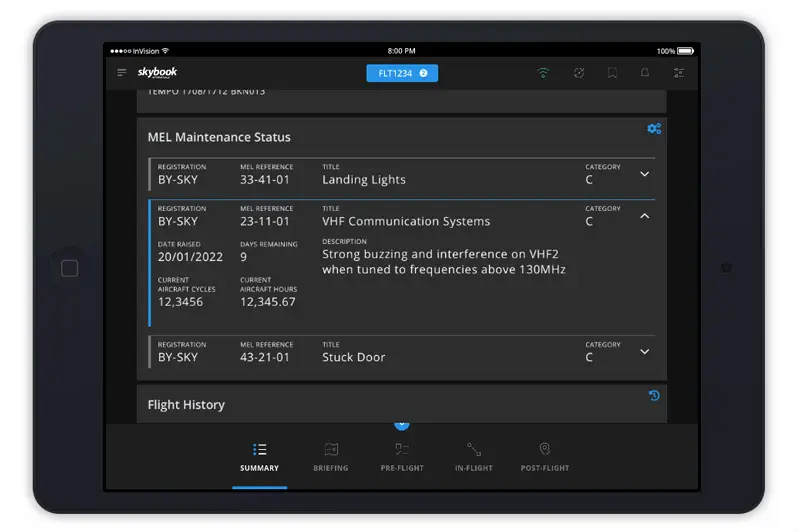
The MEL maintenance status information is included within the digital summary of the pilot briefing as well as in the PDF briefing pack.
This includes registration, MEL reference, title, repair category, and an expanded menu showing description, aircraft hours, cycles, date raised, and days remaining.
Integrating the Minimum Equipment List (MEL) directly into the EFB provides key benefits for flight operations:
Faster decision making: Pilots can quickly see deferred or inoperative equipment during pre-flight, without referring to paper manuals.
Improved compliance: Every MEL update is logged and tracked, reducing regulatory risk and ensuring audit readiness.
Operational continuity: Dispatchers and crews can plan around equipment limitations, avoiding unnecessary delays or cancellations and supporting cost-efficient operations for multi-leg or regional flights.
Enhanced safety: Critical equipment constraints are visible in real time, helping pilots make informed decisions and minimize operational risk.
With MEL integration on the skybook EFB application, pilots now see deferments instantly, enabling smoother pre-flight checks, reducing delays, and improving regulatory compliance.
Senior Flight Ops Manager
By integrating MEL data into the skybook EFB, airlines streamline pre-flight workflows, reduce administrative overhead, and allow crews to quickly determine whether it is safe to fly or if maintenance is required.
For aviation businesses looking to integrate operational data such as MEL, CDL, or NEF to streamline crew workflows, skybook provides a complete, configurable EFB solution.
Learn more about skybook and get in touch to see how it can transform your operations.