Meet James Murray our Product Analyst

Updated 9th September 2026
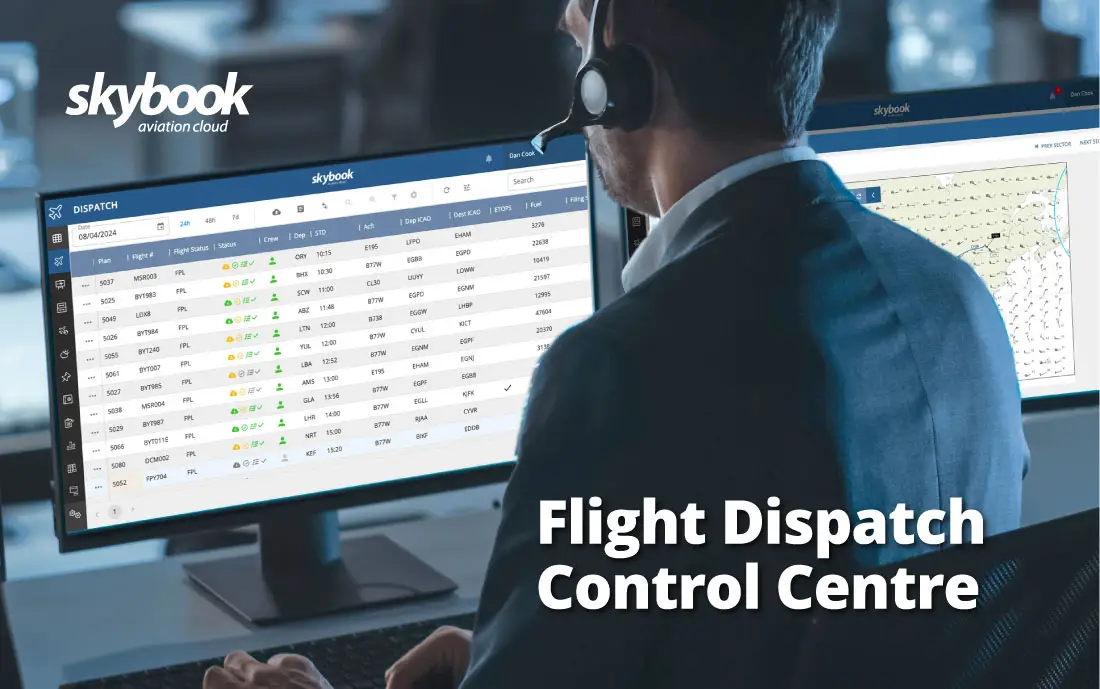
A flight dispatch control centre is responsible for coordinating, monitoring and supporting an airline's flight operations before, during and after departure.
Dispatchers need access to accurate flight plans, weather, NOTAMs, aircraft, crew, fuel and flight status information to make informed operational decisions.
A centralised flight dispatch brings this information together, giving teams greater visibility of their operation and helping them respond quickly to changes.
skybook provides an integrated system that connects flight planning, briefing, monitoring and flight crew communication in one place.
The platform also provides an EFF distribution and management backend for third-party EFB applications, allowing operators to manage and distribute electronic flight folders and operational information without needing to change their existing EFB application.
Flight dispatch teams need more than an operational flight plan to manage a sector effectively. They also need access to weather, NOTAMs, aircraft, crew, fuel and other operational information.
skybook integrates data from multiple airline systems to bring this information together, helping dispatchers review the latest operational information before releasing a flight briefing to the pilot's EFB.
More than 12 million digital briefing packs are generated through skybook each year, supporting over 130 operators worldwide.
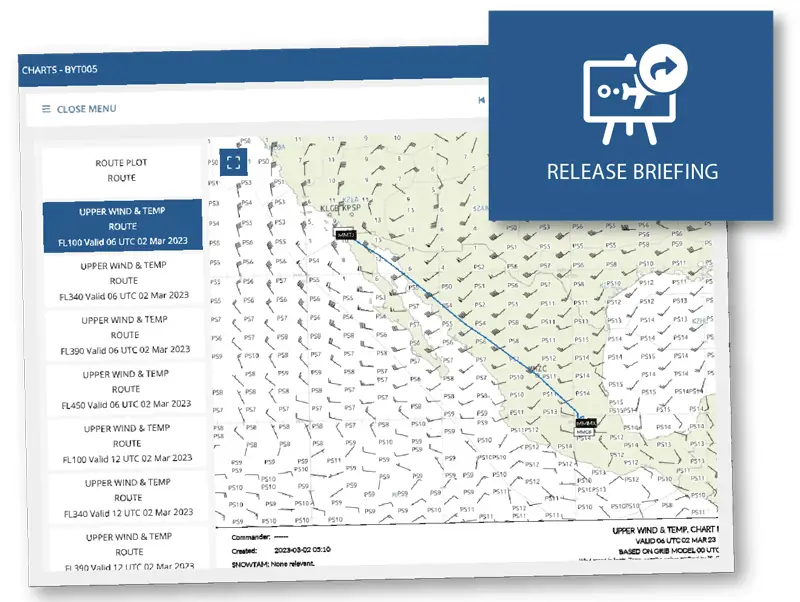
The ability to swiftly generate tailored briefing packs, ensures that pilots receive the most up-to-date flight plans on their EFB device.
Helping to ensure flights can take-off on schedule with current safety awareness of the journey ahead, and supporting on-time performance.
Flight Operations Officers and dispatchers often work across multiple systems throughout the day. They may need to monitor flight plans, schedules, aircraft and crew, weather, NOTAMs, fuel, delays and communications while responding to operational changes.
When this information is spread across separate systems, dispatchers may need to switch between applications or manually transfer information. This can increase workload and make it harder to maintain a complete view of the operation.
An integrated flight dispatch system brings these workflows together, allowing dispatchers to access the information they need from a central operational view.
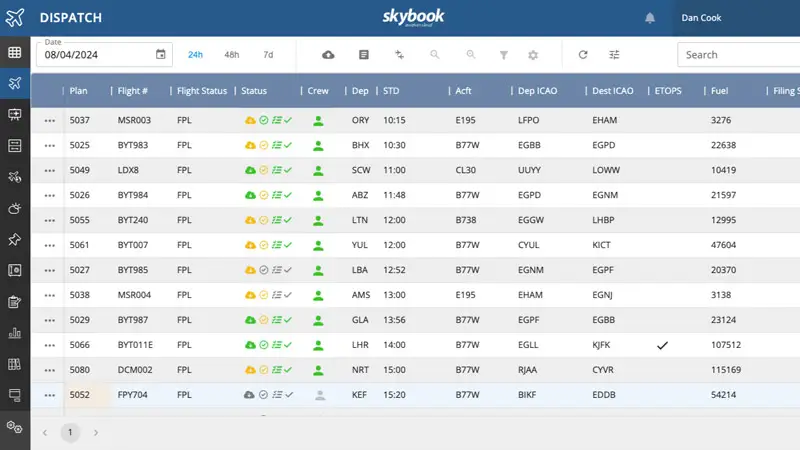
View flight plans, schedules, crew, aircraft, weather, NOTAMs and other operational data from one central integrated system.
Monitor the latest flight status information and identify delays or changes that may affect the operation.
Automatically generate flight briefing packs and provide the latest operational information directly to the pilot's EFB.
Send last-minute notices, documents and messages directly to flight crew when operational information changes.
Give dispatchers greater visibility of the operation so they can identify potential issues and respond quickly.
Maintain an audit trail of flight information and operational changes for post-flight review and analysis.
A modern flight dispatch control centre shouldn't operate in isolation from the flight deck.
Dispatchers can generate briefing packs and release them directly to the skybook EFB application. Flight crew can then access the latest briefing information and send operational status updates back to the ground team.
This creates a connected workflow between dispatch and the flight deck, helping both teams work from the latest available operational information.
The skybook flight dispatch control centre displays an active list of all scheduled flights with a 24h, 48h or 7 day view, or with a date range selector.
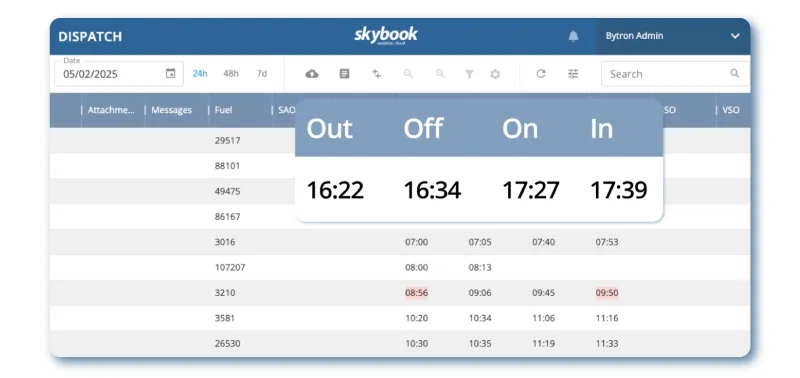
Constantly monitoring the status of flights so dispatchers can instantly see delays, fuel & fuel orders, aircraft, crew, STA, ETA, ETOPS, OOOI times and much more.
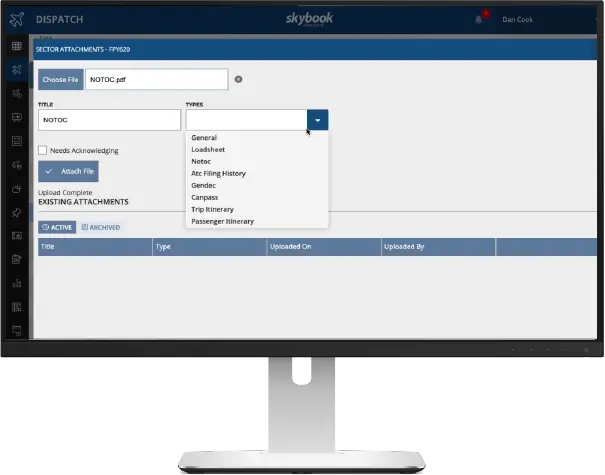
Attach documents or important notices to the briefing packs before it is released to the pilot. This can include documents such as loadsheets, NOTOC, GENDEC or a last minute update that the needs acknowledgement.
It is easy to access Air Traffic Control, ACARS messages and RAIM reports.
Closed flights are automatically hidden from the sector view after a configured period, helping dispatch teams stay focused on active and scheduled operations.
Flights that have not departed for any reason can be retained for up to 7 days. During this time, new flight plans can be applied to the relevant non-departed sectors.

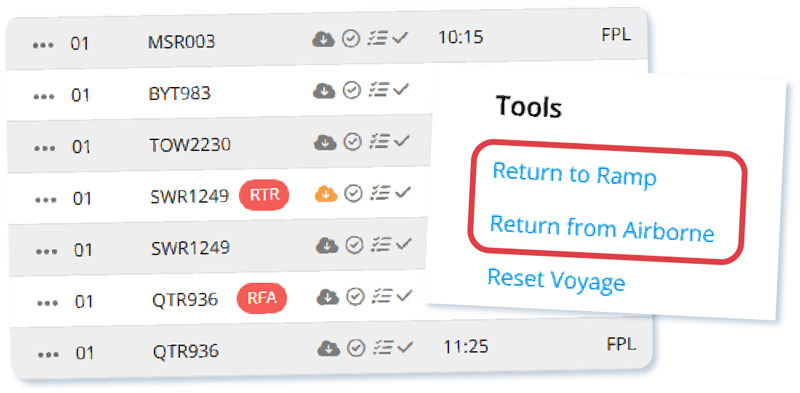
Dispatchers can easily mark a flight as Return to Ramp or from Airborne, and reschedule a flight using the same information, with the disrupted sector recorded in the Record Vault.
See how skybook connects flight dispatch, digital briefing and the flight deck in one integrated flight operations platform.
Request a skybook demonstration to see how it could support your airline's dispatch and flight operations workflows.