Meet James Murray our Product Analyst

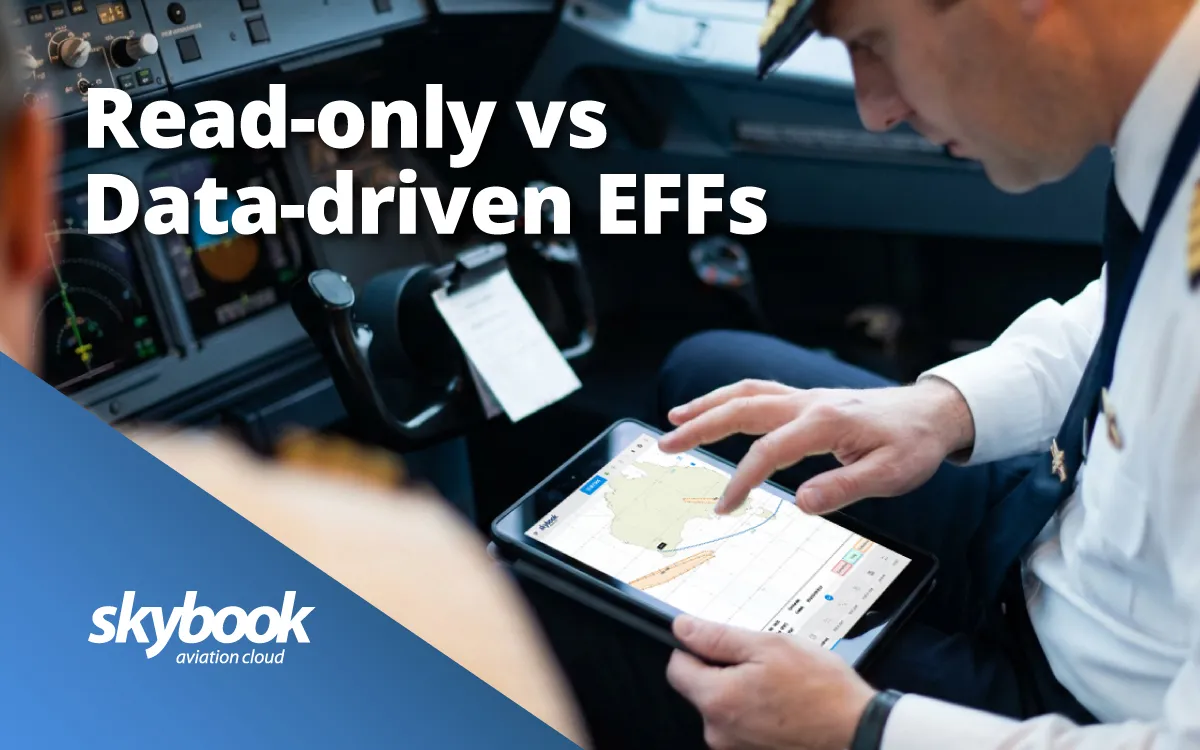
For EFB Managers and IT teams, an Electronic Flight Folder (EFF) isn’t just a pilot tool… it’s part of a wider flight operations ecosystem.
It’s where flight plans, weather, NOTAMs and operational documents live.
But not all EFF aviation solutions are created equal.
One key difference is whether the EFF is read-only or built with live data…
At first glance, a read-only EFF does the job. It presents information digitally, replaces paper and gives crews access to what they need.
But under the surface, it behaves like a digital filing cabinet, PDFs generated elsewhere and locked in place once released.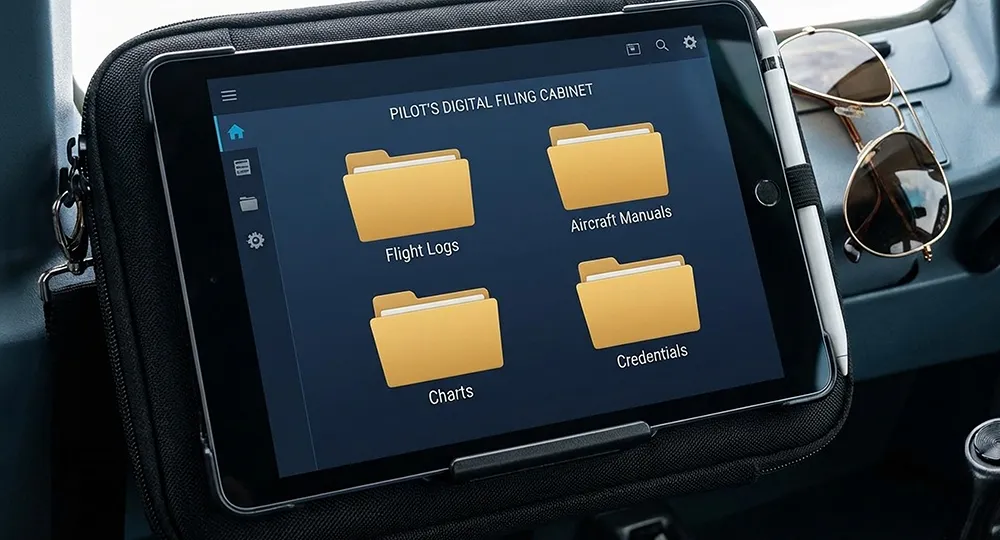
This creates several challenges, for IT and EFB management:
What appears simple for the crew, can translate into fragile workflows.
A data-driven EFF takes a very different approach.
Instead of importing static documents, the Electronic Flight Folder is built from structured operational data.
This means real-time updated flight plans, weather, smart NOTAMs, fuel, aircraft limitations, crew inputs and much more.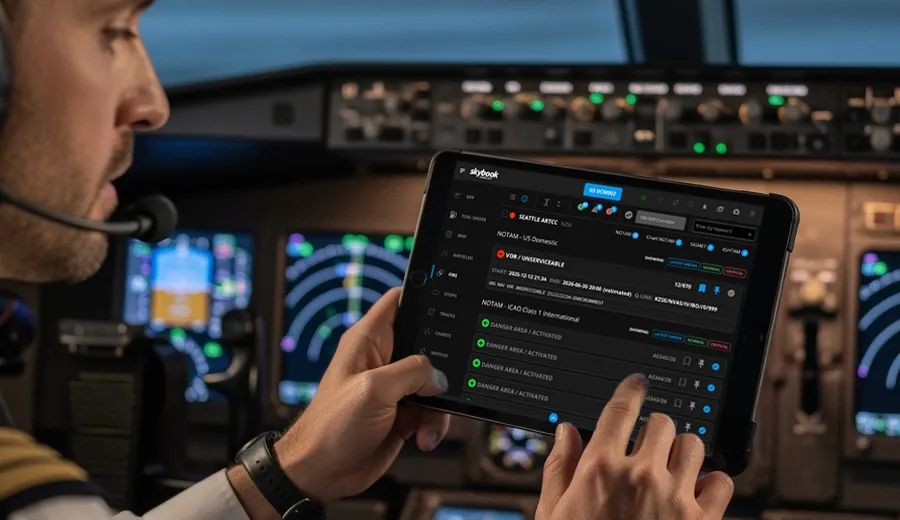
For EFB and IT managers:
An EFF aviation tool isn’t just something you read, it’s something you work with!
Resulting in a EFB platform that is easier to maintain, scale, and support.
When an EFF aviation solution is built from live data, updates flow automatically, information is prioritised and pilots and flight ops teams stay aligned on a single source of truth.
The EFF becomes an active operational tool, reducing manual effort, lowering risk and improving traceability for compliance and audits.
By keeping data accessible and reusable, operators can support smarter decision-making, post-flight analysis and continuous improvement.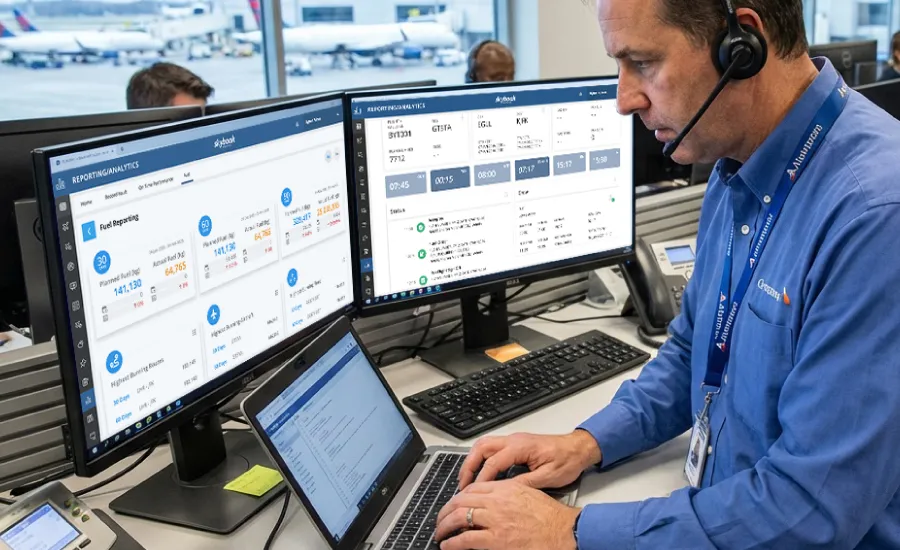
As electronic flight bag systems become more integrated, the limitations of read-only EFFs become more pronounced.
A data-driven EFF supports safer decision making, smoother workflows and better visibility across the entire operation. Reflecting how modern flight operations work: connected, dynamic and increasingly reliant on high-quality data.
For IT and EFB management, the question is no longer whether to go digital, but whether the EFF architecture is fit for the long term!
The skybook Electronic Flight Folder is a live, flexible and configurable briefing built around the data that matters most.
Book a demo to see how skybook supports data-driven EFF for scalable, integrated flight operations.